Man With Van Removals in your area

Man With Van Removals provides practical moving help for homes, flats and smaller business moves in the local area, with a service shaped around carrying, loading and transporting items safely and efficiently. The work is straightforward in purpose but flexible in application: a single bulky item, a few rooms of furniture, or a fuller move that needs careful handling and sensible vehicle use. If you need a dependable moving service without unnecessary extras, this is a clear place to start.
We support customers who want a van-based move that is organised, hands-on and suited to the scale of the job. That can include lifting, securing items for transit, and moving possessions between properties with attention to access, timing and the order in which things should go on the vehicle. For people comparing moving options, it is often useful to look at the broader man and van approach as well as the more specific services below. The right choice depends on how much needs moving, how much help is required, and whether you are dealing with furniture, boxes or a mixture of both.
Typical jobs include local house moves, furniture collection, single-item transport and simple office relocation support. If you are planning a move, it helps to think about what should travel together, what needs dismantling, and which pieces need extra care because of weight, shape or finish. Clear instructions make the job smoother, especially where stairs, narrow entrances or timed access are involved. For a more detailed conversation about the job, you can request a quote when you are ready.
Moving support for homes and flats
Home moves often need a service that is careful without being overcomplicated. Our removals work is suited to people moving from houses, apartments and similar properties where the task is to shift furniture, boxes and household belongings in an organised way. The emphasis is on sensible handling, practical loading and moving items with care through corridors, stairwells and doorways that may not offer much room. This is a good fit when you want help that feels direct and manageable rather than excessive for the scale of the move.
Some customers only need part of the moving process handled, while others want support from the start of loading through to unloading at the destination. We can adapt to the shape of the job, whether that means transporting a few essential pieces or managing a fuller household move. If you are comparing related options, our house removals service and home moves page give a useful way to think about domestic moving as a structured task rather than a one-size-fits-all arrangement.
Good preparation does not need to be difficult, but it does need to be sensible. A short list of the largest items, a note of access restrictions and an idea of what is being moved first can make planning much easier. It is also worth separating fragile belongings from general household items so that packing and loading decisions are straightforward. For a simple start, gather the essentials, think about the route into the property and then ask for a quotation when you are ready.
Furniture, bulky items and careful lifting

Not every move is a full property relocation. Sometimes the job is a sofa, wardrobe, bed frame, dining set or another item that is too heavy, awkward or large to move safely without support. Our furniture collection and lifting work is useful when you need a practical transport solution for pieces that would be difficult to handle alone. The focus is on safe carrying, sensible placement in the van and unloading with attention to the condition of the item and the destination.
For many customers, the main concern is not simply transport but how the item will be handled at each stage. That can involve preparing the route, checking whether something needs to be dismantled, and making sure the item is positioned so it travels securely. If you need help with one item or several, the furniture pick-up page and the moving van option can help you judge how the service should be arranged for the size and shape of the load.
Bulky items often need a little advance thought. Measurements, access width and any awkward turns in the property can affect how the job is approached. A strong moving plan is usually about practical order rather than complexity: decide what should be handled first, what is best left assembled and whether the load will need soft protection. If you are unsure how to describe the job, a short note with the item type and collection and delivery points is enough to begin a quotation.
Office and business relocation tasks
Commercial moves need a steady approach because they often involve furniture, equipment, files and other items that should be moved in a sensible sequence. Our office removals support is intended for smaller business moves, workspace changes and straightforward relocation tasks where the priority is to keep the process orderly. That may include desks, chairs, storage units, packed materials and other items that need to be transported without confusion between the old and new locations.
When comparing business move options, some customers prefer a more complete service and others only need transport and loading support. Our office removals and commercial moves pages are relevant if you want to think through what is involved in a workplace move, while removal services provides a broader overview of the kinds of moving help that can be arranged. The most useful approach is usually the one that matches the actual volume and complexity of the job.
Business removals are often helped by simple planning decisions: which items need to travel together, which are fragile or important, and whether the move can be done in stages. Packing files and loose office contents separately from furniture makes loading easier, and labelling boxes can speed up unloading. If your move includes a mix of equipment and furniture, keep the notes concise and specific so the quotation reflects the real work involved rather than a guess.
About the area
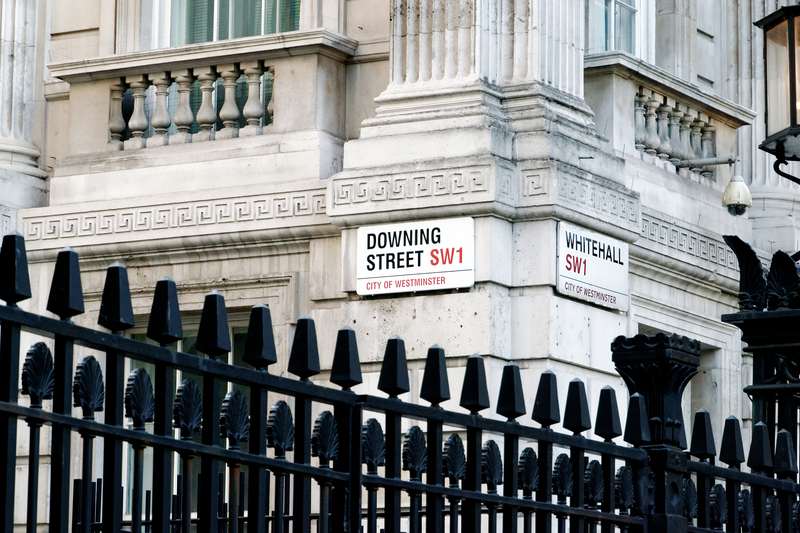
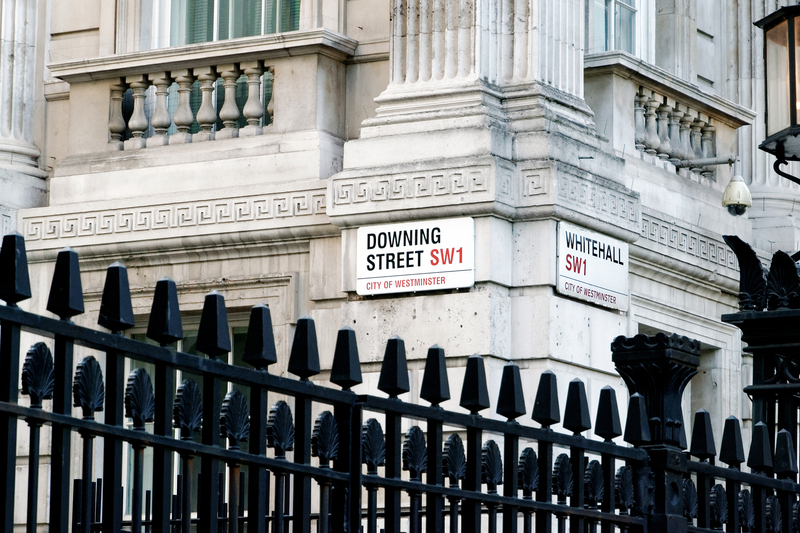
The area served here is a place defined less by a single landmark than by the way its streets, properties and everyday routes fit together. Local character is often shaped by the relationship between older buildings and later development, with homes, small workplaces and service routes sharing the same urban fabric. That kind of setting can create a varied streetscape, where narrow residential roads may sit near busier through-routes, and where footpaths, junctions and parking patterns all influence how people move through the district. The result is a place that can feel ordinary at first glance, yet still has a distinct rhythm created by repeated daily use.
Places with mixed residential and commercial uses often develop a practical identity. Shops, schools, places of worship, leisure spaces and public facilities contribute to a pattern of movement that is shaped by routines rather than spectacle. Green pockets, civic buildings or local parks can break up the built environment, while older terraces, newer estates and converted premises show how the area has changed over time. In many such localities, what stands out most is the balance between continuity and adaptation: the same roads and buildings may serve very different generations of residents, workers and visitors. Architectural variety is usually part of that story, with material changes, extensions and redevelopments leaving visible traces of different periods.
Geography also matters. The way a place connects to surrounding streets, transport links and nearby neighbourhoods affects its sense of scale and movement. Waterways, railway corridors, hillsides or open land can all shape how a district is perceived, even if they are not the first thing a visitor notices. Cultural life may be quieter than in a city centre, but local halls, seasonal events, sports facilities and community spaces often provide points of focus. Read as a whole, the area is best understood through its layers: domestic, civic and historical, all existing side by side within a recognisable local setting.
Packing, loading and transport decisions

A well-run move depends on making good choices before the van is loaded. Packing affects safety, timing and how straightforward the unloading process will be, especially when the job includes mixed contents rather than a few large items. Boxes should be closed properly, fragile items separated where needed, and heavy pieces kept in a way that avoids unstable stacks. The aim is not perfection; it is simply to make the move orderly enough that items can travel securely and be placed where they belong on arrival.
We can help with moving tasks that include packing and unpacking support, but the emphasis remains on practical work rather than unnecessary administration. If you want a broader view of that service, the packing and unpacking services page explains the general scope, while the house movers page may be useful if your move is mainly domestic. These pages help you decide whether you want help with preparation, transport, or both.
Before you enquire, it is sensible to look at what is being moved, whether anything needs dismantling, and which items will need extra protection. A brief description of stairs, lifts, parking constraints or access arrangements is usually enough to shape the job. If you are unsure whether the move is best handled as a simple van job or a fuller removals service, a short conversation and a written quotation can help narrow it down without making the process feel complicated.
Service choices and matching the job to the vehicle
Choosing the right moving setup is mostly about scale. A compact load of boxes and a few items of furniture may be suited to a smaller, simpler arrangement, while a fuller household move needs more thought about space, weight distribution and how the items will be handled. Our man with van removal page and moving truck page sit alongside the other service pages as useful references when deciding how much capacity and handling support you need for the job.
There are also times when a customer only needs transport and not a full service. In those cases, the more focused removal van or removals van option may feel more appropriate because it frames the work in terms of moving capacity rather than a wider relocation package. The best fit is determined by the actual items, the level of lifting required and whether the job is local, mixed or more involved.
When planning the move, it helps to note any unusually heavy pieces, delicate surfaces or items that cannot be stacked with other belongings. Those small details affect how a van is loaded and where items are positioned during transit. If the move includes several different item types, group them by room or priority so the work stays efficient from collection through to delivery. That approach keeps the job practical without overcomplicating it.
Costs, scope and quotation factors

Moving costs are usually shaped by a few straightforward factors: the amount being moved, how much lifting is involved, the distance between addresses and whether the job includes packing, dismantling or other added work. Access can also matter. A property with easy parking and simple ground-floor loading will be quicker to manage than one with long carries, narrow stairs or restricted stopping points. A quote should reflect the actual task rather than a generic idea of a move.
Our pricing and quotation information is presented separately so you can decide what is relevant to your move before you enquire. If you would like to review the basis of the estimate first, the pricing and quotes page is a sensible next step. For customers who want reassurance about how belongings are handled in transit, the insurance and safety page is also useful because it explains the general care expected on moving jobs.
To keep the quotation process efficient, provide a short summary of the move rather than a long explanation. Mention the property types, the main items, any awkward access points and whether there are time constraints. That is usually enough to estimate the scale of the work. If circumstances change later, the details can be updated before the move so the arrangement stays accurate and workable.
Further removal options and practical support
Some moves are best understood as part of a wider removal service rather than a single delivery. Our broader pages cover different styles of moving help, from general removals through to specific house and van-based arrangements. The removals page gives a wider overview, while removal company and removal companies can help customers compare the kind of support that may be available. That broader context is helpful when the move involves several stages or a mix of items.
There are times when the work is about a particular item rather than a household. The house removalists page, together with man with a van, can help you think about the difference between labour-led assistance and a more transport-focused job. If your move is limited to a specific collection or a smaller load, those distinctions matter because they influence how the job is set up and what needs to be included.
The main thing is to keep the move proportional to the task. A clear description of the items and the route between locations allows the service to be matched properly without unnecessary complexity. If you already know the essentials, that is enough to begin. If you are still deciding between options, take a little time to compare the pages that seem most relevant and then request a quotation when the move itself feels defined.
Preparation, access and useful moving details

Although every move is different, some preparation details help across almost every type of job. A short inventory, notes on access and any special handling requirements make it easier to judge the work fairly and avoid confusion on the day. If there are items going to more than one address, or if certain pieces must be loaded first, that should be stated clearly. These are practical details, not formalities, and they make the moving process much smoother.
It can also be helpful to think about what should happen after unloading. Some customers want furniture placed in position immediately, while others prefer boxes and items grouped in a room for later sorting. That difference matters because it changes how the van is unloaded and how time is used. If your move includes several rooms, try to note which items belong where so the arrival process is more organised and less demanding.
If you are ready to take the next step, ask for a quotation and give a concise outline of the move. For a broader look at the way we work, the about us page is available, and if you are comparing smaller moving patterns with larger domestic jobs, the house removals page may also help. A clear plan, a practical load and the right moving support are usually enough to make the job manageable from start to finish.